Getting Ready for an Electrical Panel Evaluation
An electrical panel, sometimes called a fuse box or breaker box, is the central hub that distributes power to every circuit in a home. Over time, panels can become outdated, overloaded, or simply worn out. If you are considering an electrical panel upgrade, the first step is a professional evaluation. Knowing what that evaluation involves and how to prepare for it can make the process smoother and help you get a clear picture of what your home needs.
Understand What an Evaluation Covers
An electrical panel evaluation is not the same as a quick visual check. The electrician will examine the panel enclosure, the condition of the circuit breakers or fuses, the wiring connections, and the overall service capacity. They will also measure the electrical load on the panel to see whether it is close to its limit. The goal is to identify any safety hazards, code violations, or signs of wear that might make an upgrade necessary.
Common issues that turn up during an evaluation include rust or corrosion inside the panel, evidence of past overheating, loose connections, or a panel that was designed for a smaller electrical load than the home now needs. A qualified electrician will explain each finding and what it means for your home. If you want to learn more about the typical process, you can visit woodingelectric.com to read about the kinds of panels and services relevant to Bay Area homes.
Gather Basic Information About Your Home
Before the electrician arrives, it helps to collect a few simple facts. Note the age of your home and whether you have done any major renovations, such as adding a room, installing central air conditioning, or putting in a new kitchen. These changes often increase the electrical load and may have already pushed the old panel past its safe capacity.
Also, take a look at your current panel. Open the door (do not touch any wires or breakers) and read the label inside. It should show the manufacturer, the model number, and the maximum amperage rating. That number, often 100, 150, or 200 amps, tells you the service capacity your home can handle. If you cannot find the label or the writing is faded, just let the electrician know. They will measure it themselves.
Clear the Area Around the Panel
The electrician needs unobstructed access to the panel to perform a thorough evaluation. Move furniture, storage boxes, or any clutter away from the front of the panel. Make sure there is enough room to open the panel door fully and to reach the sides. Ideally, there should be a clear path from the panel to the main electrical service entrance outside.
In many homes, the panel is in a basement, garage, or utility closet. If that area is dusty or has been used for storage, a quick sweep or wipe-down will help the electrician work in a clean environment. It also makes it easier to spot any rodent droppings or insect nests that might have damaged the wiring inside the panel.
Identify All the Circuits in Your Home
One part of the evaluation involves matching each breaker or fuse to the room or appliance it controls. If you already have a list, that saves time. Walk through your home and note which outlets, lights, or appliances are on each circuit. A simple way to do this is to turn on everything in one room, then flip breakers one at a time at the panel to see what goes off. Have a helper watch the room while you flip.
If you do not have a list, that is fine. The electrician can do this mapping themselves, but your advance notes can speed things up. Pay special attention to large appliances like the oven, dryer, water heater, and air conditioner. Those often have dedicated circuits. If any of those circuits are shared with other outlets, that could be a sign the panel is undersized.
Know the Signs of Trouble
While you are waiting for the evaluation, you can keep an eye out for warning signs that your panel may need an upgrade. Frequent breaker trips or blown fuses are the most common clue. If a breaker trips often even when you are not running many devices, the circuit may be overloaded or the breaker itself may be failing.
Another sign is a warm or hot panel cover. A panel that feels warm to the touch suggests an overload or a poor connection inside. Buzzing or crackling sounds from the panel are also a red flag. These sounds can indicate arcing, which is a serious fire risk. If you notice any of these, mention them to the electrician during the evaluation.
Prepare Questions to Ask
A good evaluation gives you a clear report, but you can also come with your own questions. For instance, ask about the age of your panel. Panels from the 1960s or earlier often have a design that does not meet modern safety standards. Ask whether your panel has enough capacity for future needs, such as adding solar panels, an electric vehicle charger, or a home battery system.
You might also ask about the condition of the branch circuits. Branch circuits are the individual wires that run from the panel to each room. If those wires are old, undersized, or damaged, upgrading only the panel may not be enough. The electrician can tell you whether the branch wiring is still in good shape or whether it would need to be replaced as part of a full upgrade.
Understand the Evaluation Report
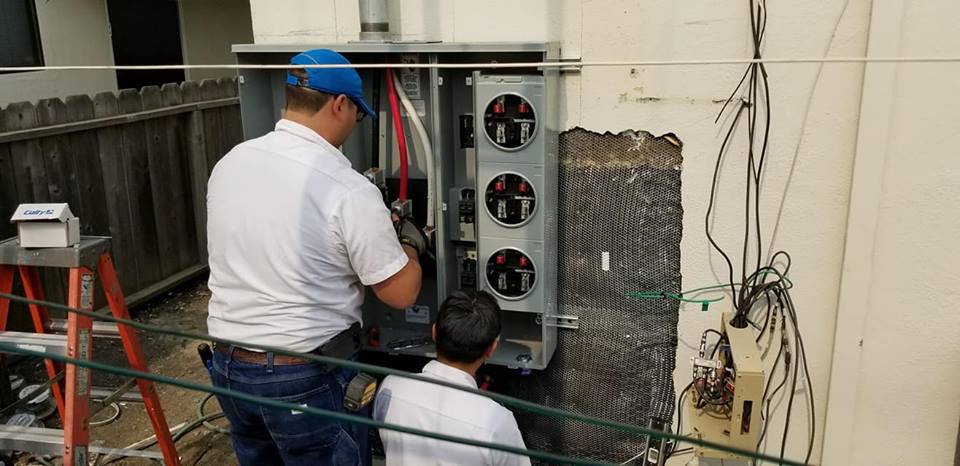
After the evaluation, the electrician will usually provide a written report. This report should describe the condition of the panel, list any code violations or safety hazards, and recommend whether an upgrade is needed. It should also give a rough sense of the scope of work an upgrade would require. For example, if the panel has no main shutoff or if the service capacity is too low for the current electrical load, the upgrade might involve replacing the entire panel and possibly upgrading the service entrance wiring.
Read the report carefully and ask about anything you do not understand. A good electrician will take the time to explain the technical terms. If the report recommends an upgrade, ask what kind of panel they would install and why. Modern panels often have more breaker slots, higher amperage ratings, and better safety features like arc-fault breakers.
Plan Ahead for the Upgrade Itself
If the evaluation points toward an upgrade, you can start thinking about logistics. An electrical panel upgrade usually requires a permit from the local building department. The electrician should handle that, but you can ask about the timeline. In some areas, the permit process can take a few days to a few weeks.
Also, plan for a temporary power interruption. The electrician will need to shut off the main power to replace the panel. This can take anywhere from a few hours to a full day, depending on the complexity of the job. Make arrangements for that time, such as turning off sensitive electronics beforehand and having a plan for refrigerated food.
For Bay Area homeowners, the local climate and building codes can influence what type of panel is appropriate. A site like woodingelectric.com can give you a sense of the kinds of upgrades that are common in the area. The evaluation itself is the best tool for understanding what your specific home needs.
Keep the Evaluation Records
Once the evaluation is done, keep the written report and any photos the electrician took. These records can be useful if you later decide to sell the home, as they show that the electrical system was professionally assessed. They also serve as a baseline for future inspections. If you ever have another electrical issue, you will already have a documented history of the panel's condition.
An electrical panel evaluation is a straightforward process, but a little preparation goes a long way. By clearing the area, gathering basic information, and knowing what to look for, you can make the electrician's job easier and get a more accurate assessment. That assessment, in turn, will guide you toward the right electrical panel upgrade for your home.